
Antes de entrar en el análisis detallado, aquí tienes el ranking ordenado de los 10 mejores exchanges de criptomonedas para Venezuela con los datos más importantes de cada uno de un solo vistazo.


Investing in cryptocurrencies carries the risk of partial or total loss of capital. The content of this review is informative and does not constitute financial advice.
1. Bitget: P2P sin comisión en bolívares, Bitget Wallet y copy trading
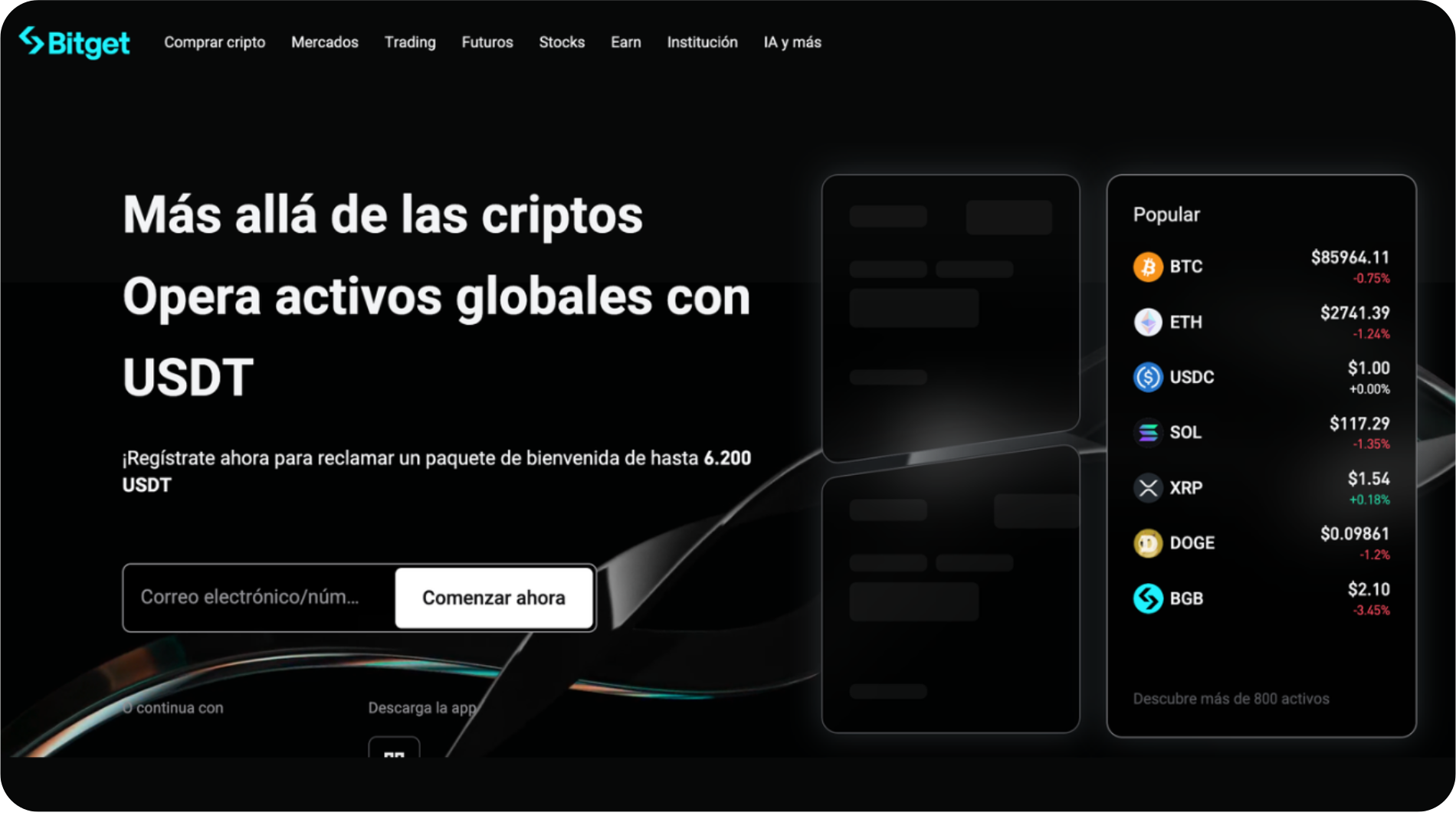
Bitget es un exchange global fundado en 2018, con más de 800 criptomonedas y uno de los mercados P2P más completos para usuarios en Venezuela. Ocupa el primer puesto por combinar un catálogo amplio, un P2P sin comisión de transacción y herramientas para quien quiere pasar de comprar USDT a operar. Opera desde el extranjero, sin licencia local ni inscripción ante la Sunacrip, como el resto de plataformas del ranking.
Su mercado P2P permite comprar y vender USDT, Bitcoin, Ethereum o BGB de forma directa con Pago Móvil, Banco de Venezuela, Mercantil, Banesco, transferencias bancarias o Zelle, y con Bitget Wallet puedes guardar tus activos en autocustodia. Las comisiones spot son del 0,1% maker y taker. En septiembre de 2026 sufrió un ataque a carteras calientes, pero según Bitget su Fondo de Protección cubrió la pérdida y los saldos de los clientes no se vieron afectados. See the full review of Bitget
Who is Bitget for? Para usuarios en Venezuela que quieren P2P sin comisión, wallet propia y copy trading en un solo lugar, y que prefieren mantener en la plataforma solo el saldo que necesitan.
Advantages:
- P2P sin comisión de transacción
- Acepta Pago Móvil, bancos locales y Zelle
- Más de 800 criptomonedas
Disadvantages:
- Incidente de seguridad en septiembre de 2026
- Sin inscripción ante la Sunacrip
- Customer service with more limited options
2. Bybit: P2P en bolívares sin comisiones y tarjeta virtual para venezolanos
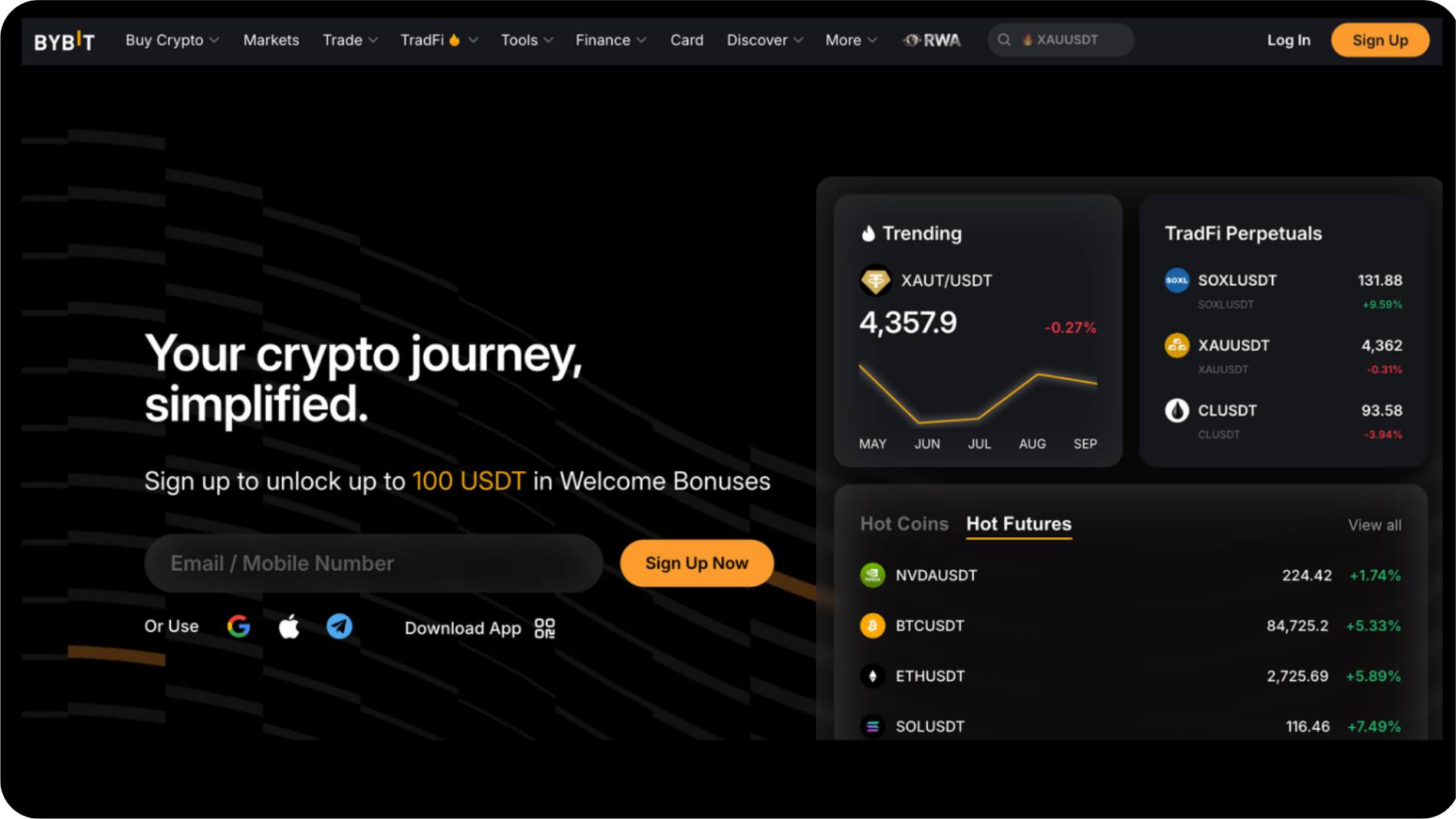
Bybit es uno de los mayores exchanges del mundo por volumen y una de las plataformas con más presencia entre los usuarios venezolanos. Ocupa el segundo puesto porque ofrece P2P en bolívares sin comisión para compradores y vendedores desde marzo de 2024, con Pago Móvil, Banesco, Mercantil, Provincial y Zelle, además de una interfaz ágil tanto para el principiante como para el trader. No tiene licencia local ni está inscrito ante la Sunacrip, y su entidad europea (Bybit EU) no aplica a usuarios de Venezuela.
Sus comisiones spot son del 0,1% maker y taker. Para el usuario venezolano, desde el 17 de agosto de 2026 puede solicitar una tarjeta virtual, aunque se han reportado rechazos en algunos comercios físicos. Su volumen P2P diario es menor que el de Binance, con más órdenes de venta de cripto por bolívares que de compra, y conviene recordar que la plataforma global sufrió un robo de 1.500 millones de dólares en febrero de 2025. See the full Bybit review
Who is Bybit for? Para usuarios en Venezuela que buscan un P2P sin comisión como alternativa a Binance, con opción de pasar después al trading avanzado.
Advantages:
- P2P en bolívares sin comisiones
- Acepta Pago Móvil y los principales bancos del país
- Tarjeta virtual para venezolanos desde agosto de 2026
Disadvantages:
- Menos ofertas P2P en bolívares que Binance
- Antecedente de un robo importante en 2025
- Rechazos reportados de la tarjeta en comercios físicos
3. Binance: el P2P con más ofertas en bolívares y bancos públicos integrados
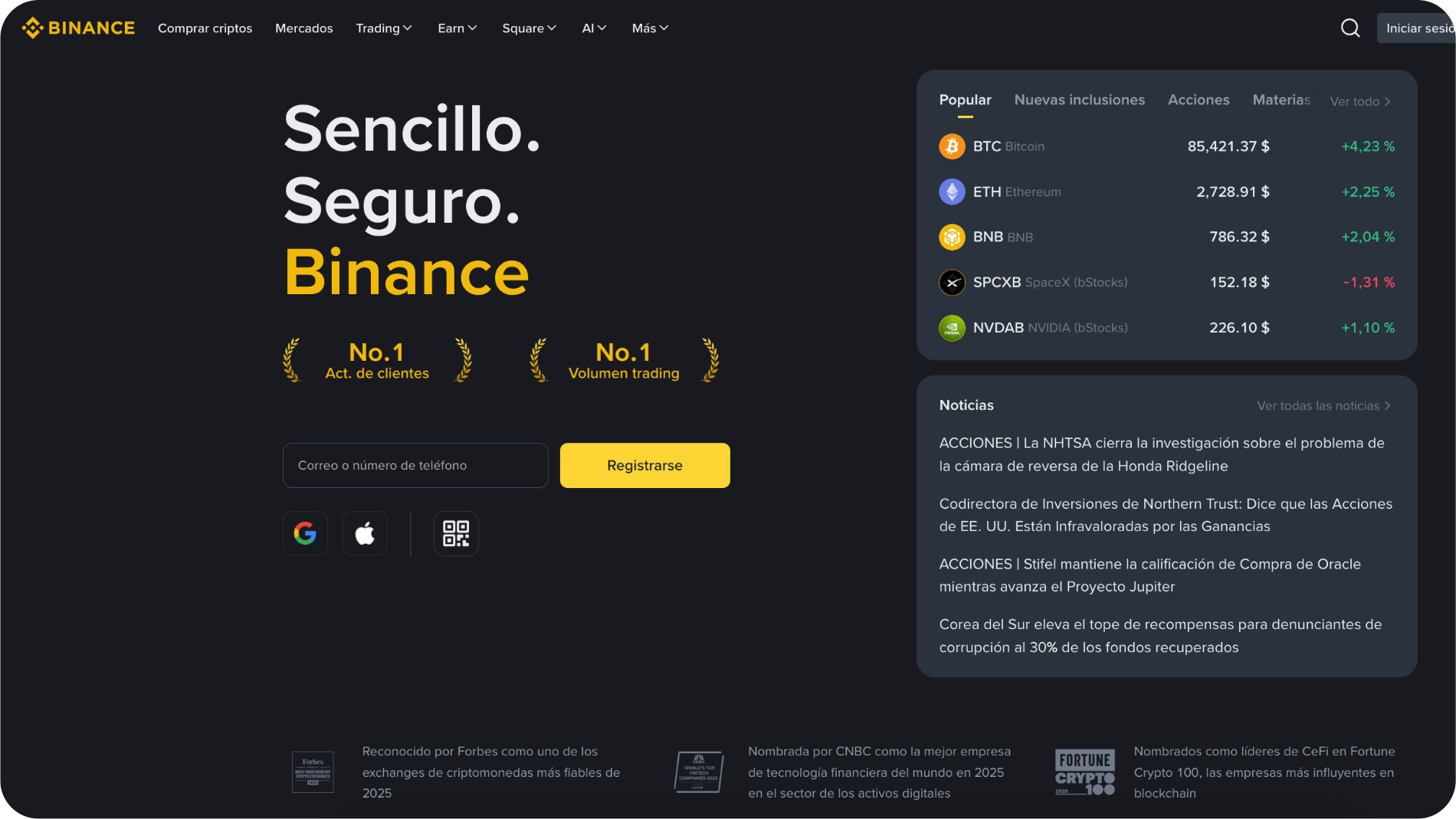
Binance es el mayor exchange del mundo por usuarios y volumen, con más de 500 criptomonedas, y concentra la mayor actividad P2P en bolívares del país. Ocupa el tercer puesto porque, aun siendo el mercado más líquido, ha endurecido los controles en 2026 (tarjetas, verificación de comerciantes y origen de fondos), y hay alternativas con P2P sin comisión. No tiene licencia en Venezuela ni ha confirmado planes de obtenerla.
Su comisión spot es del 0,1%, y en el P2P varía según el mercado. Para el usuario venezolano, desde el 15 de abril de 2026 acepta pagos desde Banco de Venezuela, Banco del Tesoro y Banco Digital de los Trabajadores, tras la Licencia General 57 de la OFAC emitida un día antes. Desde febrero aplica controles a las compras con tarjetas de bancos venezolanos y Zinli (el P2P no se vio afectado), y en julio pidió a los comerciantes P2P actualizar sus datos y a algunos usuarios justificar el origen de sus fondos. View full Binance review
Who is Binance for? Para usuarios en Venezuela que priorizan el P2P con más ofertas, más bancos y precios más fáciles de comparar.
Advantages:
- El P2P con más actividad en bolívares
- Acepta Pago Móvil, Banesco, Mercantil, Banco de Venezuela y Banco del Tesoro
- Fondo SAFU y amplio catálogo de criptomonedas
Disadvantages:
- Controles más estrictos en 2026 y posible petición de justificar fondos
- Restricciones en compras con tarjetas de bancos venezolanos
- Sin licencia local en Venezuela
4. OKX: P2P sin comisión de la plataforma y tarjeta Visa virtual para venezolanos
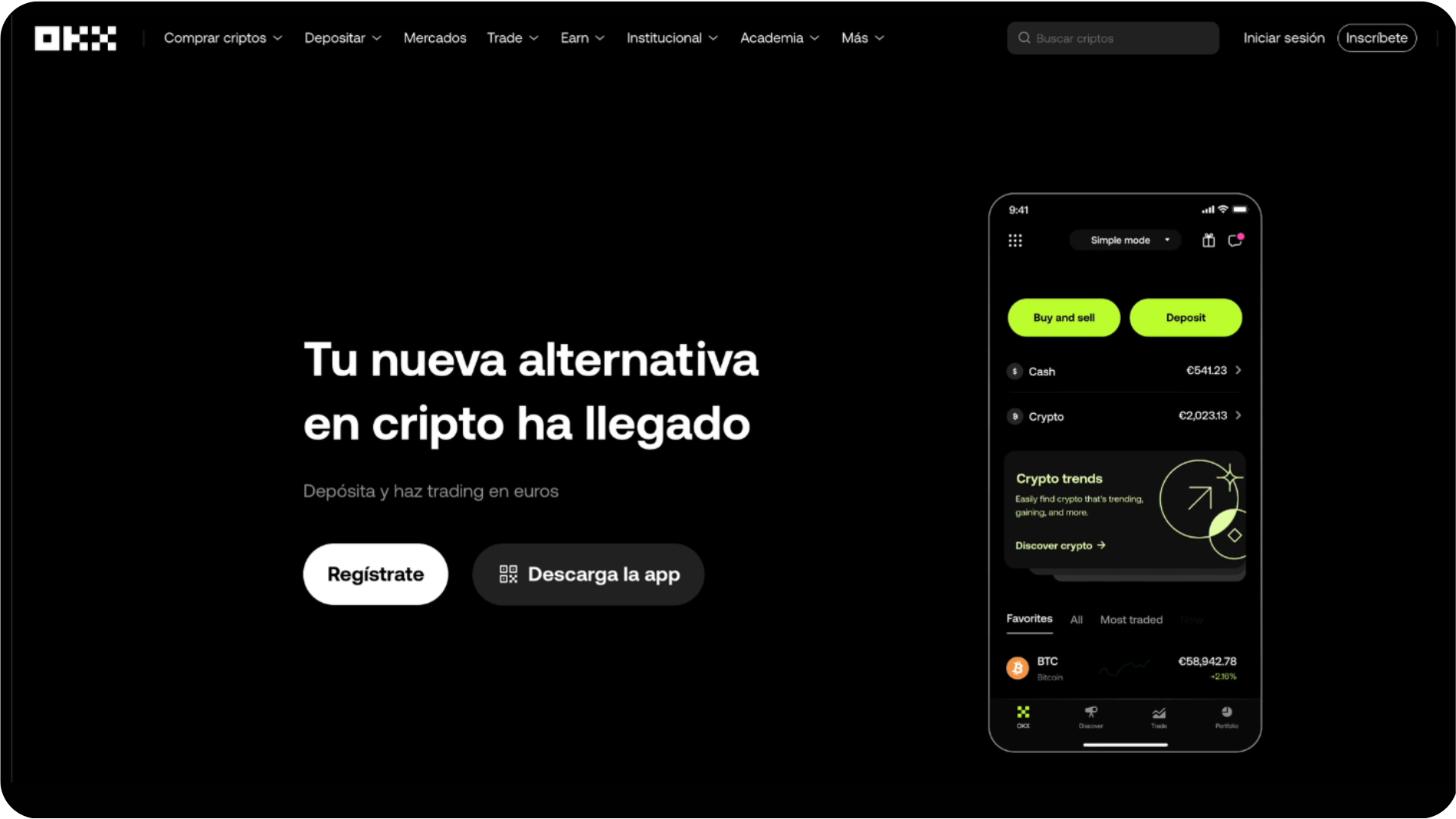
OKX es un exchange global con más de 350 criptomonedas, interfaz en español y una wallet Web3 propia poco habitual en exchanges centralizados. Ocupa el cuarto puesto por combinar un P2P sin comisión de OKX, comisiones spot bajas y una tarjeta virtual Visa lanzada para venezolanos en julio de 2026. No tiene licencia en Venezuela: su autorización MiCA de Malta solo es válida dentro de la Unión Europea.
Sus comisiones spot son del 0,08% maker y 0,1% taker. Para el usuario venezolano, la tarjeta no tiene cuotas y aplica un margen de conversión del 0,1%. La liquidez en bolívares varía según el banco, así que conviene comprobar en la app que haya suficientes ofertas con tu método de pago antes de depositar. See the full OKX review
Who is OKX for? Para usuarios en Venezuela que quieren una segunda plataforma P2P sin comisión y una tarjeta para gastar su cripto.
Advantages:
- P2P sin comisión de la plataforma
- Tarjeta virtual Visa sin cuotas para venezolanos
- Interface and Support in Spanish
Disadvantages:
- Menos ofertas P2P en bolívares que Binance
- La liquidez depende del banco que uses
- Sin licencia local en Venezuela
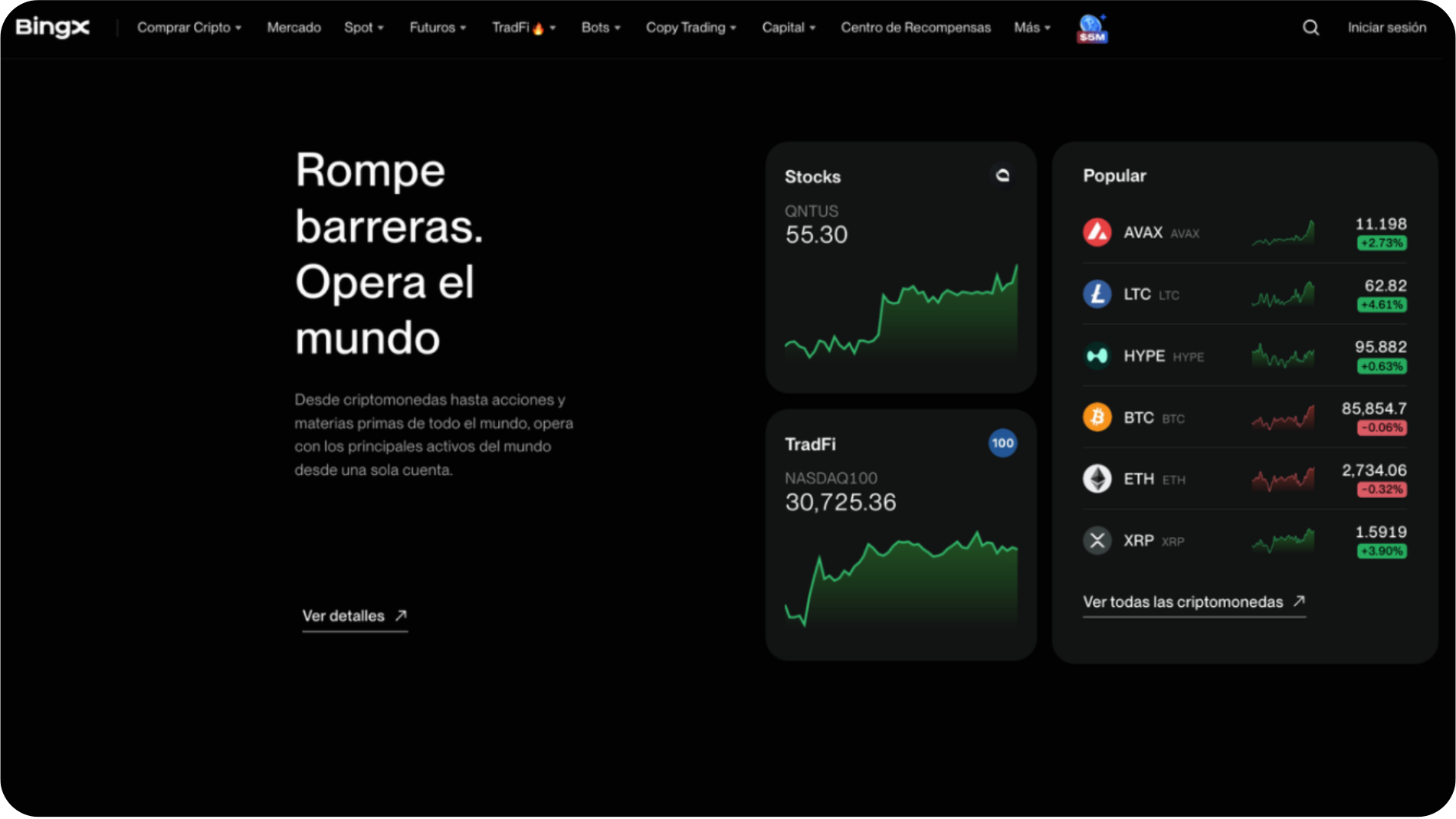
5. BingX: copy trading y derivados para quien ya tiene USDT
BingX es un exchange global con más de 1.000 criptomonedas, conocido por su copy trading y por sus futuros con apalancamiento de hasta 125x. Ocupa el quinto puesto porque su P2P admite el par VES/USDT, aunque no es el más profundo y suele usarse después de convertir a stablecoins en otras plataformas. No tiene licencia en Venezuela ni inscripción ante la Sunacrip.
Sus comisiones spot son del 0,1% maker y taker. Para el usuario venezolano, el P2P de BingX opera solo con USDT y ofrece varios métodos de pago locales, con tiempos de liberación que suelen rondar los diez minutos. Conviene revisar sus condiciones de uso antes de depositar: en comparativas anteriores Venezuela figuraba entre los países restringidos. Ver reseña completa de BingX
Who is BingX for? Para usuarios en Venezuela con experiencia que ya tienen USDT y buscan copy trading o futuros.
Advantages:
- Copy trading y derivados en la misma plataforma
- P2P con par VES/USDT
- Catálogo de más de 1.000 criptomonedas
Disadvantages:
- P2P menos profundo que el de Binance, Bybit u OKX
- Venezuela ha figurado entre las jurisdicciones restringidas en sus condiciones
- Futuros con apalancamiento de alto riesgo
6. Uphold: dólares, cripto y metales en una sola cuenta, de vuelta en Venezuela
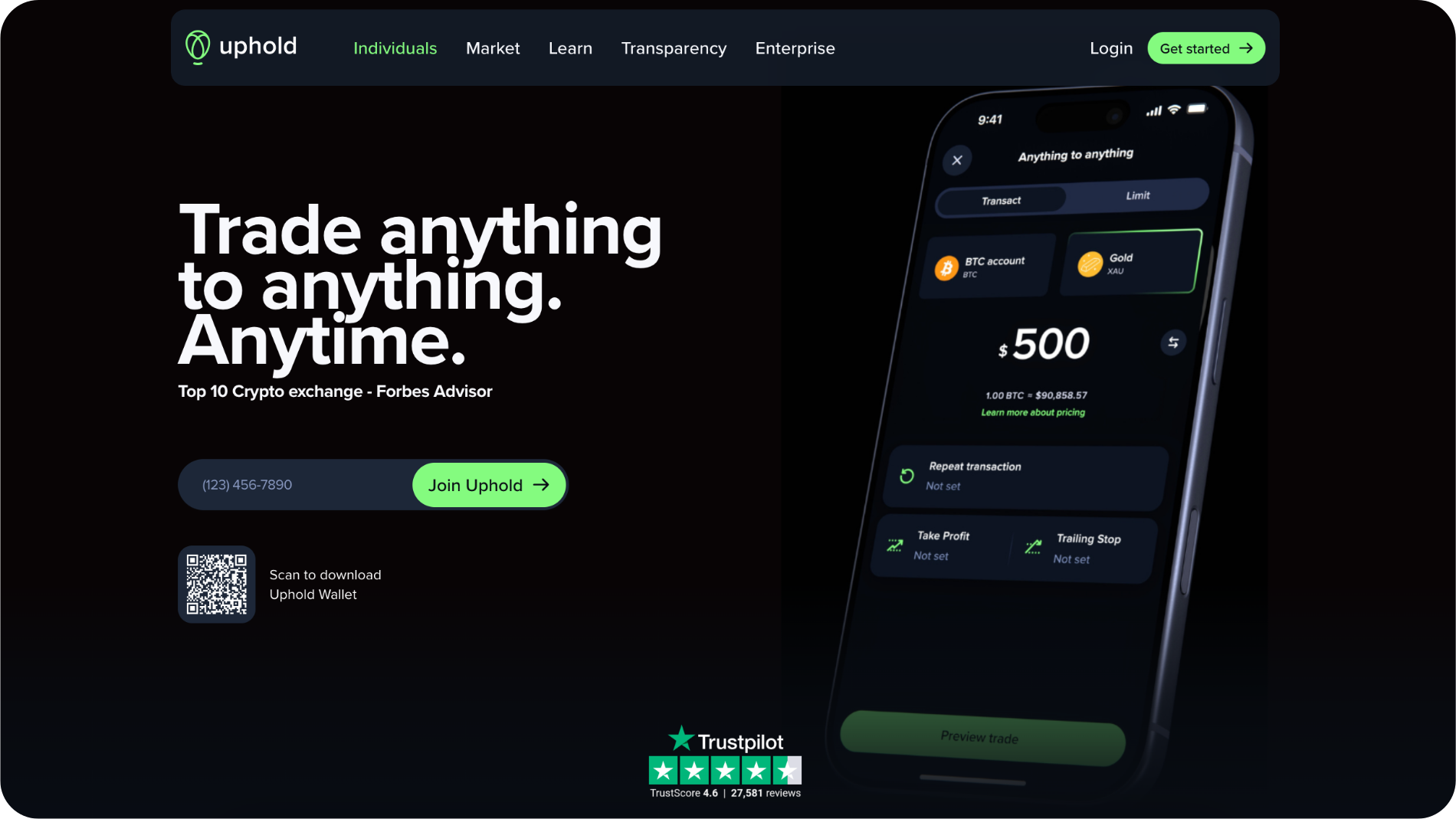
Uphold es la plataforma que combina criptomonedas, divisas y metales preciosos en una misma cuenta, con más de 10 millones de usuarios registrados. Ocupa el sexto puesto por su regreso: el 13 de mayo de 2026 empezó a reactivar cuentas de usuarios venezolanos, casi cuatro años después de su salida en junio de 2022 por las sanciones de Estados Unidos. La reapertura llega con la flexibilización de sanciones y exige actualizar la verificación de identidad (KYC).
Sus costes se aplican vía spread, generalmente entre el 0,8% y el 1,2% según el par. Para el usuario venezolano, no es un mercado P2P en bolívares: sirve para recibir pagos del exterior y guardar saldo en dólares, euros o libras, algo muy útil para freelancers. Ten en cuenta que en mayo sus canales oficiales seguían indicando que Venezuela no figura como jurisdicción soportada y no había un anuncio formal, así que comprueba el estado de tu cuenta antes de mover fondos.
Who is Uphold for? Para usuarios en Venezuela que quieren recibir pagos internacionales y guardar dólares, cripto y metales en una sola cuenta.
Advantages:
- Cuentas reactivadas en Venezuela desde mayo de 2026
- Cuenta multi-activo: cripto, divisas y metales preciosos
- Útil para recibir pagos del exterior
Disadvantages:
- Venezuela sin respaldo oficial como jurisdicción soportada
- Sin P2P en bolívares
- Spread menos transparente que una comisión fija
7. KuCoin: más de 1.000 altcoins y productos Earn, pero con poca liquidez en bolívares
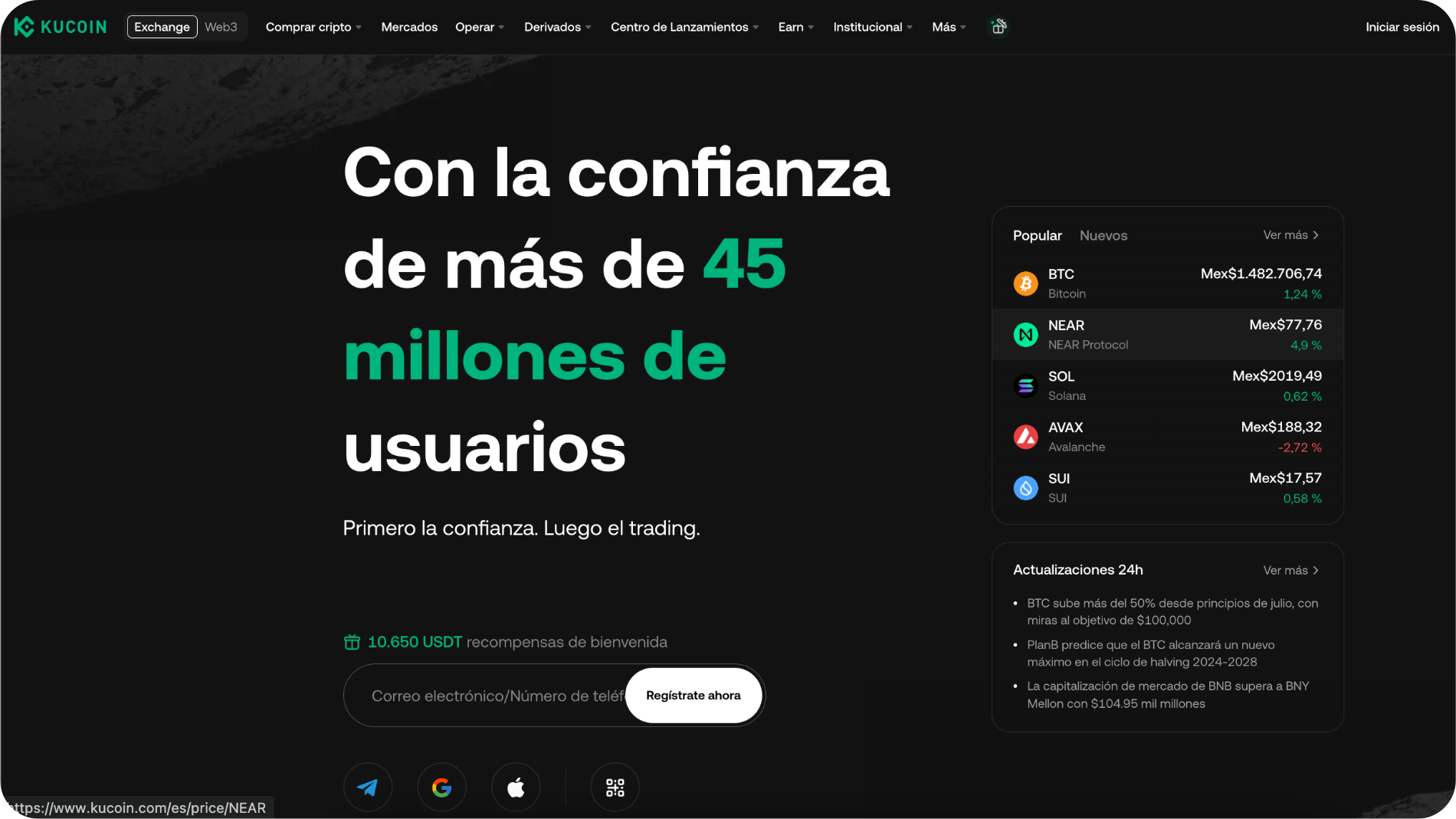
KuCoin es un exchange fundado en 2017 con más de 1.000 criptomonedas, además de staking, bots de trading gratuitos y productos Earn. Ocupa el séptimo puesto por su catálogo de altcoins y sus herramientas de rentabilidad, aunque su P2P en bolívares es más pequeño que el de las plataformas de arriba. No tiene licencia en Venezuela ni inscripción ante la Sunacrip.
Su comisión spot es del 0,1%. Para el usuario venezolano, el P2P acepta Pago Móvil y transferencias bancarias, pero hay menos comerciantes y las liberaciones son más lentas; los comerciantes suelen exigir verificación completa con reconocimiento facial. Además, en enero de 2025 la plataforma se declaró culpable en Estados Unidos de operar sin licencia y pagó una sanción millonaria. See the full review of KuCoin
Who is KuCoin for? Para usuarios en Venezuela que ya tienen USDT y buscan altcoins, staking y bots en una misma plataforma.
Advantages:
- Más de 1.000 criptomonedas disponibles
- Staking, Earn y bots de trading
- P2P con Pago Móvil y transferencias
Disadvantages:
- Pocos comerciantes P2P en bolívares y liberaciones más lentas
- Sanción en Estados Unidos en 2025
- Verificación facial para operar en P2P
8. Gate: listados tempranos de altcoins para usuarios avanzados
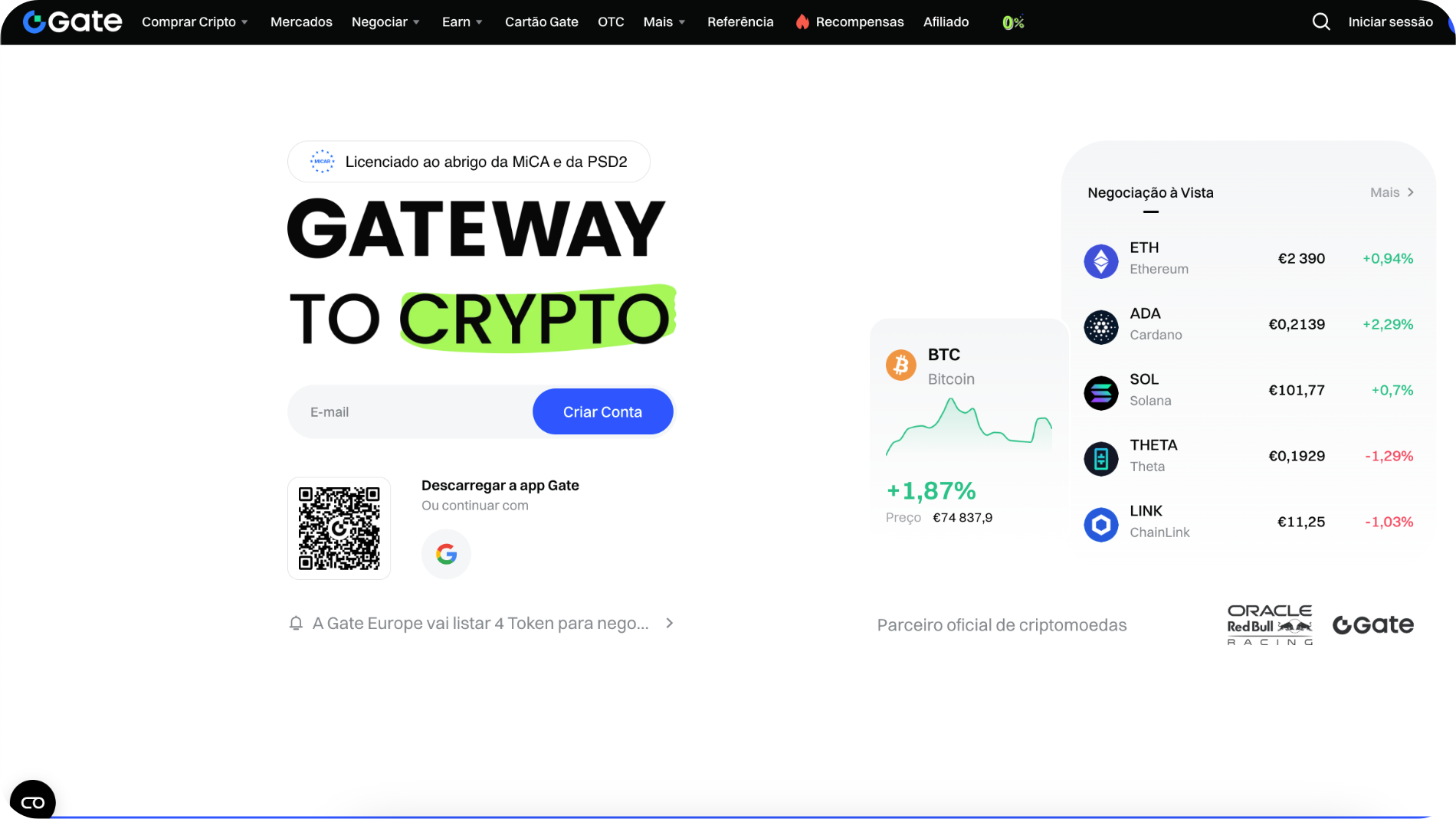
Gate (antes Gate.io) es un exchange fundado en 2013, con más de 1.400 criptomonedas y fama por listar proyectos nuevos antes que otros. Ocupa el octavo puesto como complemento más que como plataforma principal: en Venezuela se usa de forma táctica, para acceder a tokens poco comunes. No tiene licencia en Venezuela ni inscripción ante la Sunacrip.
Su comisión spot estándar es del 0,2%, más alta que la de la mayoría del ranking. Para el usuario venezolano, la actividad P2P en bolívares es marginal o casi inactiva, así que lo habitual es comprar USDT en otro exchange y depositarlo en Gate.
Who is Gate for? Para usuarios en Venezuela con experiencia que ya tienen USDT y quieren acceder a altcoins y proyectos nuevos.
Advantages:
- Más de 1.400 criptomonedas disponibles
- Listados tempranos de proyectos nuevos
- Comisiones competitivas en futuros
Disadvantages:
- P2P en bolívares casi inactivo
- Comisión spot más alta que otras plataformas del ranking
- Pensado para usuarios con experiencia
9. MEXC: comisión maker del 0% y el mayor catálogo de altcoins
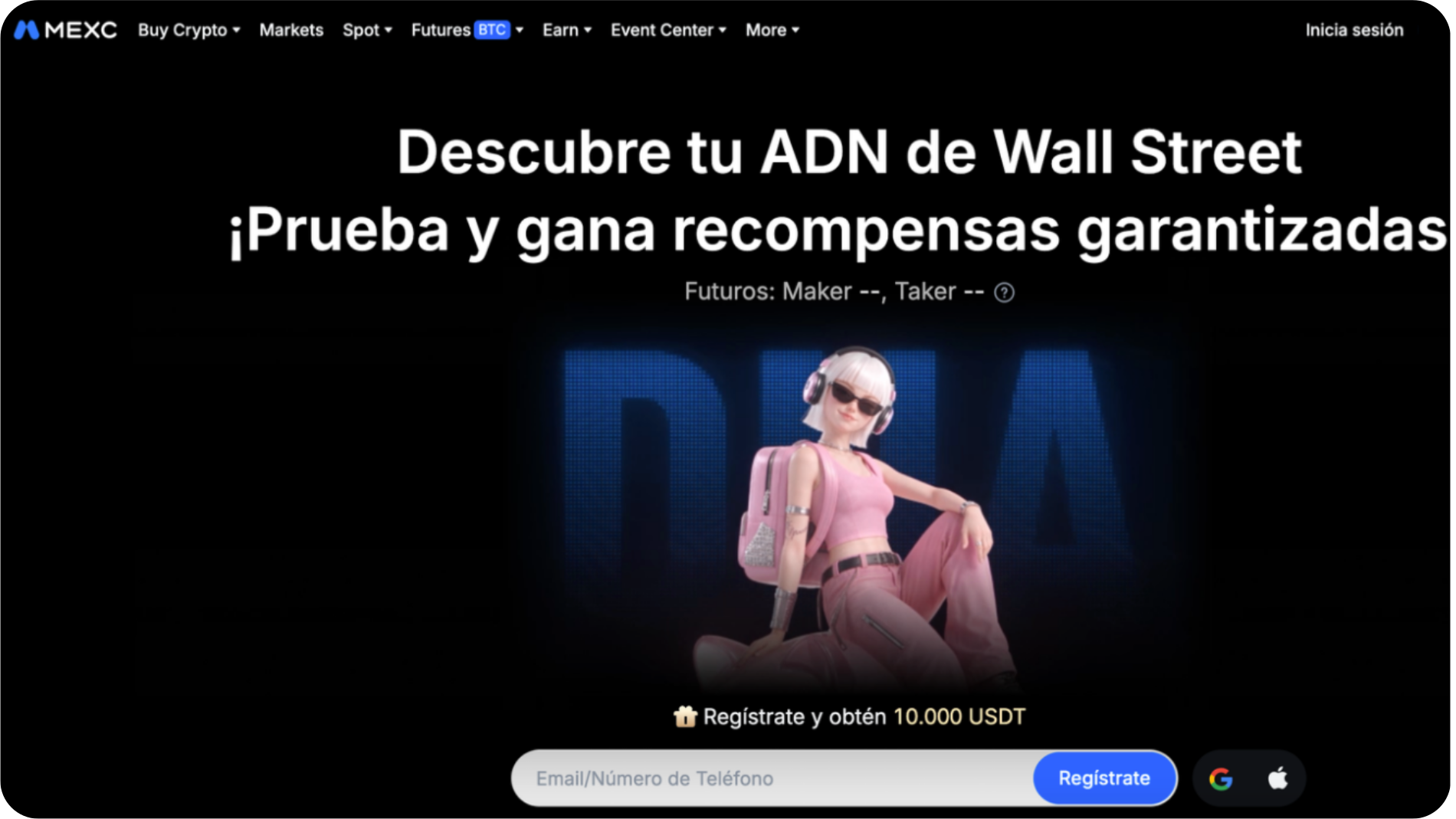
MEXC es un exchange fundado en 2018 con más de 3.000 criptomonedas, el catálogo más amplio del ranking, y listados muy rápidos de tokens nuevos. Ocupa el noveno puesto por sus comisiones bajas, aunque su P2P en bolívares es el más pequeño entre las plataformas que funcionan con normalidad. No tiene licencia en Venezuela ni inscripción ante la Sunacrip.
Sus comisiones spot son del 0% maker y 0,05% taker, y el P2P no cobra comisión. Para el usuario venezolano, acepta Pago Móvil y transferencias: en una prueba reciente, una compra con Banco de Venezuela se completó en doce minutos, a un precio un 0,8% por encima del de Bybit. Cuenta con un fondo de garantía (Guardian Fund) y pruebas de reservas auditadas. See the full review of MEXC
Who is MEXC for? Para usuarios en Venezuela que compran USDT con frecuencia y quieren comisiones muy bajas y acceso a altcoins.
Advantages:
- Comisión maker del 0% en spot
- Catálogo de más de 3.000 criptomonedas
- P2P sin comisión
Disadvantages:
- El P2P en bolívares más pequeño del ranking
- Riesgo alto en tokens nuevos y muy especulativos
- Conviene revisar sus condiciones de uso respecto a Venezuela
10. Tapbit: comisiones bajas y copy trading, pero con un P2P casi vacío
Tapbit es un exchange de tamaño medio fundado en 2021, que nació como Billance y adoptó su nombre actual en septiembre de 2022. Cierra el top 10 como una opción para operar, no para comprar con bolívares: tiene más de 400 criptomonedas, futuros perpetuos, copy trading y bots de grid. Opera con registro offshore en San Vicente y las Granadinas y no tiene licencia en Venezuela.
Sus comisiones spot son del 0,1% maker y taker, y en futuros parten del 0,02% maker y 0,06% taker. Para el usuario venezolano, permite abrir cuenta solo con correo o teléfono, pero su P2P tiene poca liquidez: una revisión de enero de 2026 encontró el mercado sin órdenes activas. Lo habitual es comprar USDT en otro exchange y depositarlo aquí.
¿Para quién es Tapbit? Para usuarios en Venezuela con experiencia que ya tienen USDT y buscan copy trading o futuros con comisiones bajas.
Advantages:
- Comisiones bajas en spot y futuros
- Copy trading y grid trading
- Registro rápido con correo o teléfono
Disadvantages:
- P2P con muy poca liquidez
- Menor trayectoria y reputación que otros exchanges del ranking
- Sin licencia local en Venezuela
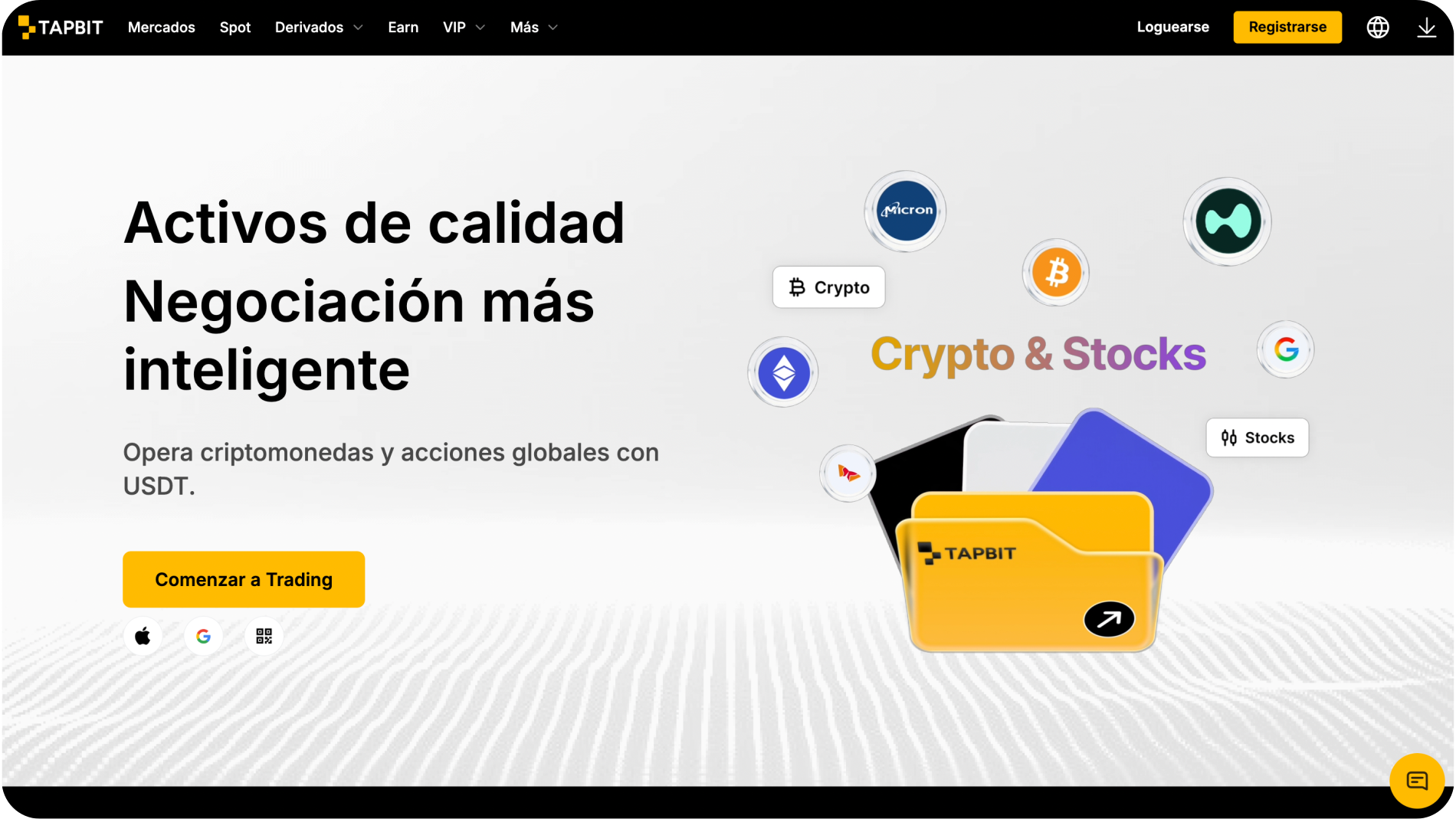
Tabla comparativa de exchanges para Venezuela
Vistos los 10 exchanges, aquí tienes una tabla comparativa que resume el catálogo de criptomonedas, las comisiones maker/taker y la disponibilidad de P2P para el usuario en Venezuela.
| Platform | Cryptos | Maker / Taker | P2P en Venezuela |
|---|---|---|---|
 Bitget Bitget | 800+ | 0,10% / 0,10% | P2P en bolívares |
 Bybit Bybit | 2.600+ | 0,10% / 0,10% | P2P en bolívares |
 Binance Binance | 500+ | 0,10% / 0,10% | P2P con bancos públicos |
 OKX OKX | 350+ | 0,08% / 0,10% | P2P en bolívares |
 BingX BingX | 1.000+ | 0,10% / 0,10% | Revisar ofertas en la app |
 Uphold Uphold | 250+ | Spread (~0,8%–1,2%) | Sin P2P · compra directa |
 KuCoin KuCoin | 1.000+ | 0,10% / 0,10% | P2P con poca liquidez |
 Gate Gate | 1.400+ | 0,20% / 0,20% | P2P casi inactivo |
 MEXC MEXC | 3.000+ | 0% / 0,05% | P2P pequeño |
 Tapbit Tapbit | 400+ | 0,10% / 0,10% | P2P casi vacío |
Ninguno de los 10 exchanges cuenta con licencia en Venezuela ni está inscrito ante la Sunacrip: todos operan desde el extranjero, con distinto grado de acceso para el usuario venezolano. La mejor opción dependerá de si priorizas P2P en bolívares, comisiones bajas o acceso a más altcoins.
How did we selected the exchanges in this ranking
Este ranking se ha elaborado a partir de un análisis comparativo de los exchanges de criptomonedas accesibles para usuarios en Venezuela, combinando la revisión de condiciones de uso, datos de mercado P2P y fuentes públicas con una evaluación técnica, de seguridad y de experiencia de usuario, para identificar los que mejor encajan con el usuario residente en Venezuela en 2026.
To compile the ranking, we evaluated each platform based on the following criteria:
| Criteria | What We Evaluate | |
|---|---|---|
| 1 | Acceso real desde Venezuela | Si la plataforma acepta usuarios venezolanos según sus condiciones de uso y la experiencia reportada, y si sigue operando con normalidad en 2026 tras los cambios en las sanciones de la OFAC. |
| 2 | Liquidez P2P en bolívares | Número de ofertas disponibles, bancos aceptados (Pago Móvil, Banesco, Mercantil, Banco de Venezuela y otros) y tiempos de liberación de las órdenes. |
| 3 | Spanish Support and Localization | Disponibilidad de atención al cliente en español, calidad de la interfaz y recursos educativos en el idioma local. |
| 4 | Coste real de operar | Comisión de trading, comisión P2P, diferencia frente a la tasa oficial del BCV y comisión de retiro, no solo la tarifa publicada. |
| 5 | Seguridad y transparencia | Antecedentes de seguridad de cada exchange, fondos de protección y transparencia en la publicación de reservas (Proof of Reserves). |
| 6 | Riesgo regulatorio y de sanciones | Situación legal de la plataforma, controles de verificación y de origen de fondos, y posibles bloqueos o cierres de servicio para usuarios venezolanos. |
Los datos se revisaron en octubre de 2026, con una comprobación final del estado de cada plataforma en la fecha de publicación. Puedes consultar el proceso completo de investigación y verificación de datos en nuestra methodology.
Important note: Revisamos este ranking periódicamente según cambios en las sanciones, mejoras en el soporte en español o incidentes de seguridad. Las posiciones pueden variar.
Regulation of Exchanges and Cryptocurrencies in Venezuela
Venezuela no cuenta hoy con un marco regulatorio claro para los exchanges internacionales. La Superintendencia Nacional de Criptoactivos (Sunacrip) está intervenida desde marzo de 2023 y en junio de 2026 seguía en reestructuración, mientras la Asamblea Nacional preparaba un documento para actualizar la ley de 2019. Según reportes de prensa, las fintech locales Crixto y Kontigo son las que tienen licencia vigente. Ninguno de los 10 exchanges de este ranking está inscrito ante la Sunacrip, y una norma de 2022 contempla multas por operar en plataformas no autorizadas, aunque no se conocen casos en que se haya aplicado. La minería de bitcoin sigue prohibida: el Ministerio de Energía Eléctrica lo ratificó el 7 de mayo de 2026.
El otro factor clave son las sanciones de Estados Unidos. El 14 de abril de 2026, la OFAC emitió la Licencia General 57, que flexibilizó parte de las sanciones sobre el Banco Central de Venezuela y los bancos públicos, y al día siguiente Binance integró Banco de Venezuela, Banco del Tesoro y Banco Digital de los Trabajadores en su P2P. Uphold también reactivó cuentas en mayo. Pero el escenario sigue cambiando: El Dorado cerró en Venezuela el 5 de junio de 2025, Binance endureció controles en 2026 y Zinli reportó bloqueos preventivos de recargas en marzo. Antes de depositar, comprueba que la plataforma siga aceptando usuarios venezolanos.
Important note: Bitget sufrió un incidente de seguridad de unos 387 millones de dólares el 24 de septiembre de 2026 y reabrió retiros por fases desde el 28 de septiembre. Según la compañía, su Fondo de Protección cubre la pérdida.
La información presentada en este ranking tiene carácter informativo y educativo. No constituye asesoramiento financiero, fiscal ni una recomendación personalizada de inversión. El uso de exchanges de criptomonedas implica riesgos, y cada usuario es responsable de evaluar qué plataforma se ajusta mejor a su perfil, así como de cumplir con la normativa aplicable y sus obligaciones legales y fiscales según la legislación venezolana vigente. Algunos enlaces de este ranking son de afiliación: si abres una cuenta a través de ellos, Exchange Selector puede recibir una comisión, sin coste adicional para ti. Esto no influye en el criterio ni en el orden de este ranking.
(FAQ) Cómo elegir exchange de criptomonedas en Venezuela en 2026